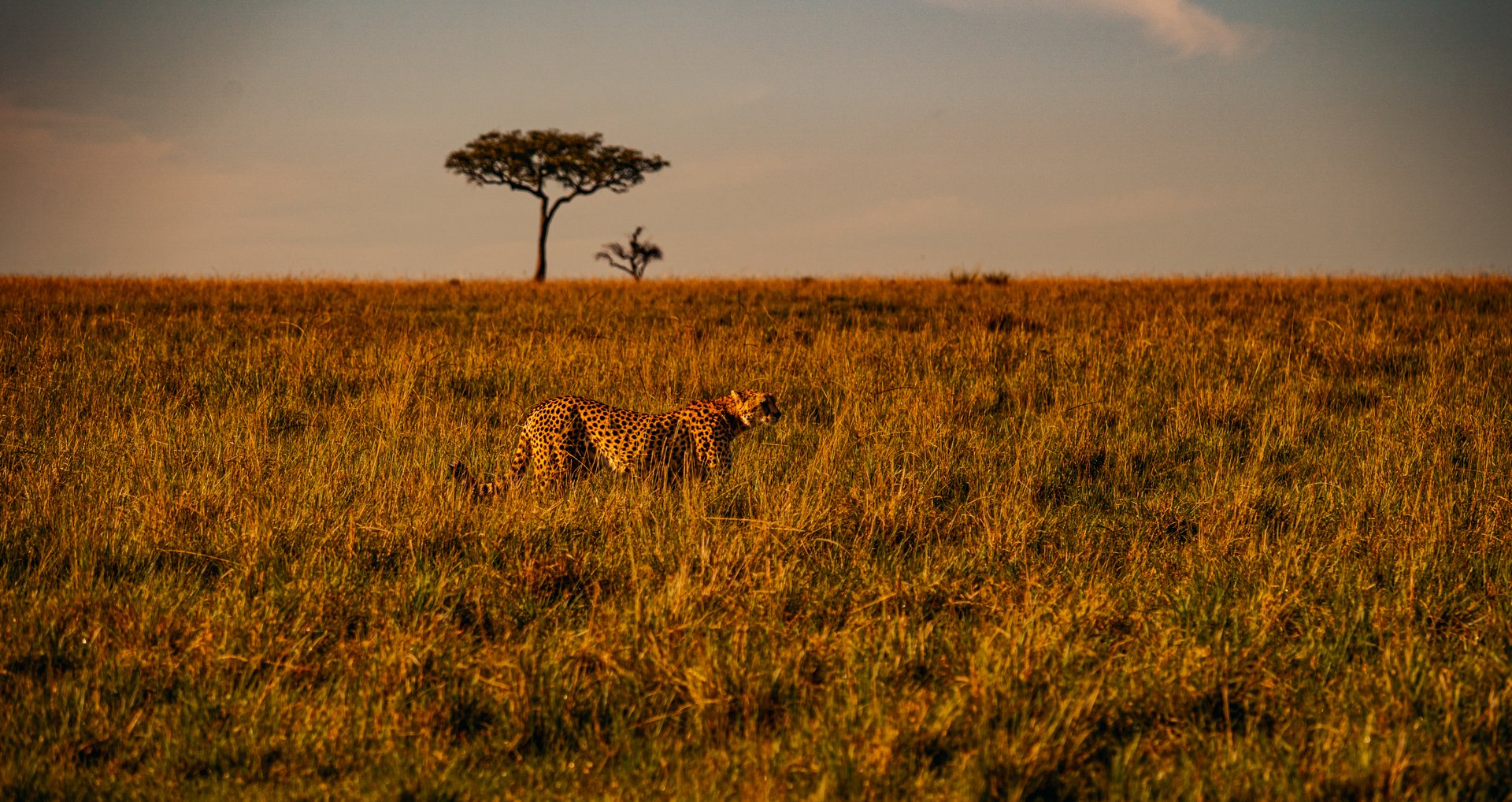
Golden Camouflage
EARTH
In the golden expanse of the Kenyan savanna, a cheetah stands almost absorbed by the landscape. The grass, the light, the distant tree and the cheetah all belong in the moment together without separation and absence of one of these elements would render it incomplete.
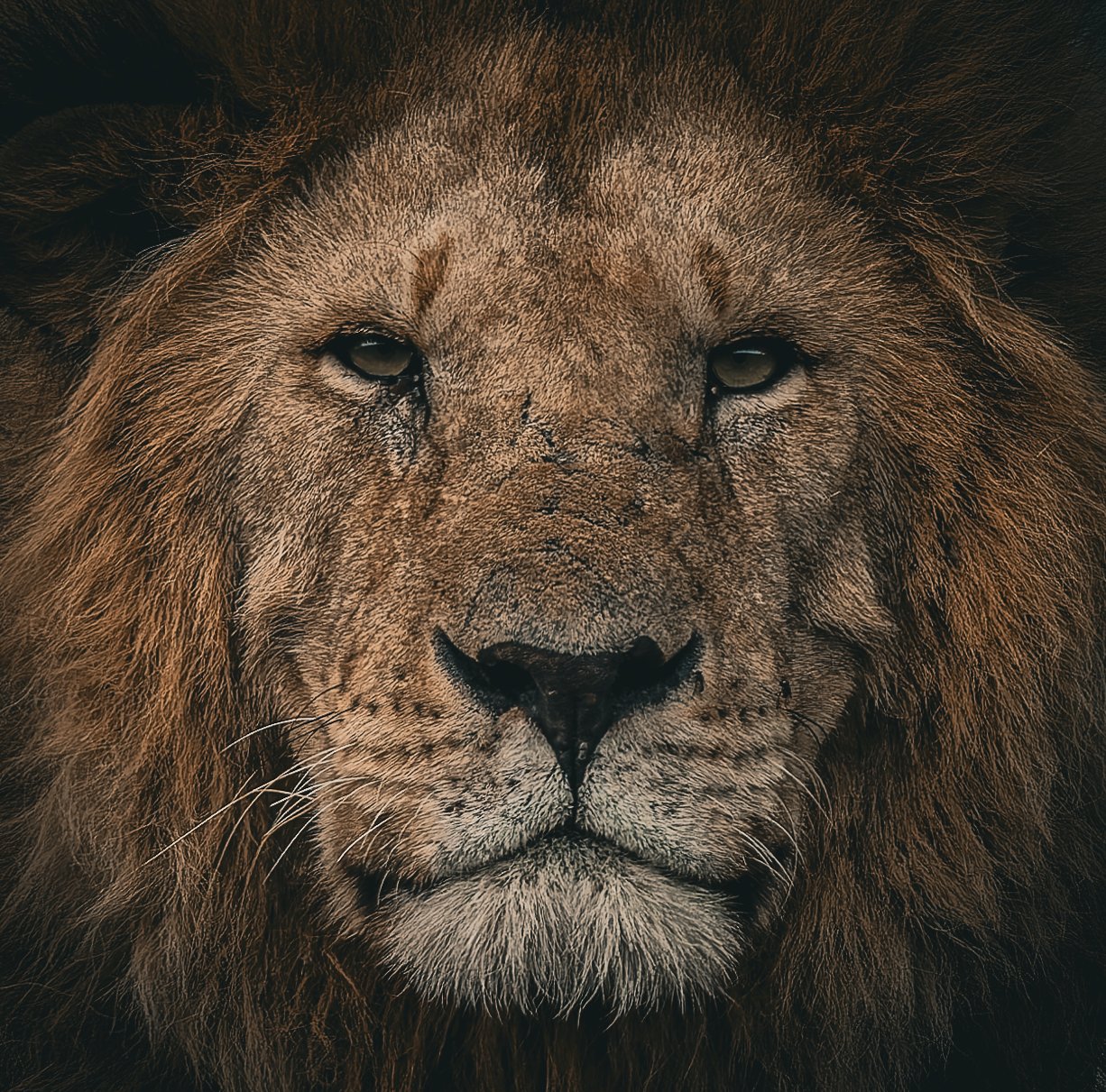
Presence
LIFE
A male lion fills the frame, his face emerging from shadow with an almost monumental stillness. The mane dissolves into darkness while every detail of the face remains visible—the coarse fur, the marks around the eyes, the worn muzzle, the quiet asymmetries that accumulate over a life lived in the wild.
What held me was not the idea of power, but restraint.
The lion does not need to assert himself. His presence is enough. The directness of the portrait removes almost everything else—the landscape, the body, the context—until what remains is simply a face and the experience carried within it.
Wildlife is often photographed in moments of action, but stillness can reveal something different. In this image, strength is not expressed through movement. It appears in patience, endurance, and the quiet confidence of an animal completely at home in its own existence.
EARTH
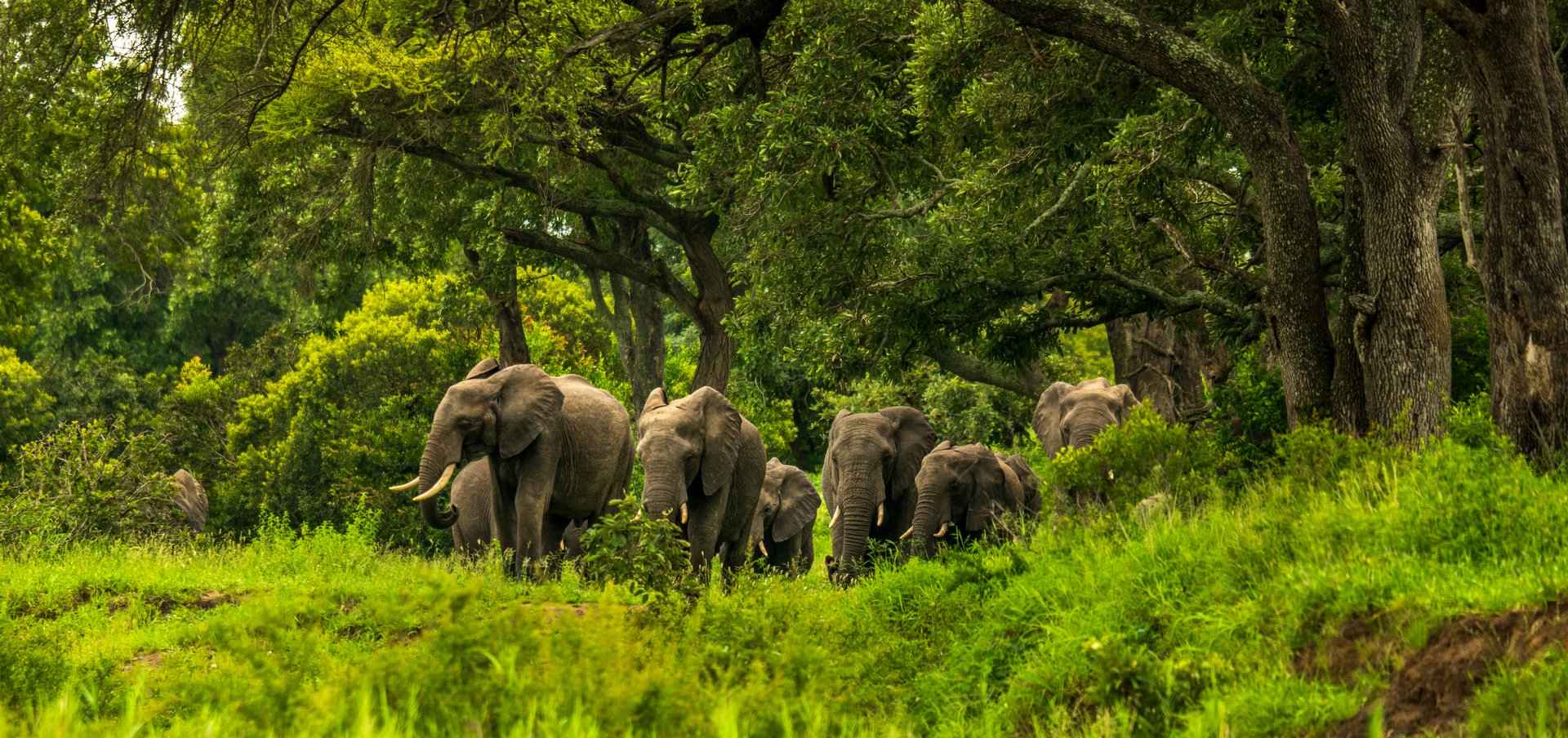
A herd of African elephants moves together beneath the immense canopy of mature trees, emerging from a landscape almost impossibly green. Adults, younger animals and calves gather closely, their massive forms appearing surprisingly small beneath the architecture of the forest.
What drew me to this moment was not an individual elephant, but the collective presence of the herd. There is an order to their movement that requires no visible instruction—the larger animals surrounding the smaller, generations traveling together, each animal seemingly aware of its place within the group.
Above them, the trees create another sense of scale. Their trunks rise like columns and their branches stretch across the frame, enclosing the elephants beneath a canopy that appears older and larger than anything passing beneath it. Animals we instinctively think of as giants become inhabitants of something greater.
The photograph became, for me, a study of belonging. The elephants are not isolated subjects placed against a landscape; they are inseparable from it. Herd, grass and forest occupy different measures of time—an individual life, generations of memory, the slower life of trees—yet for an instant they converge within the same frame.
There is tremendous strength here, but also intimacy. The power of the elephants comes not simply from their size, but from their togetherness.
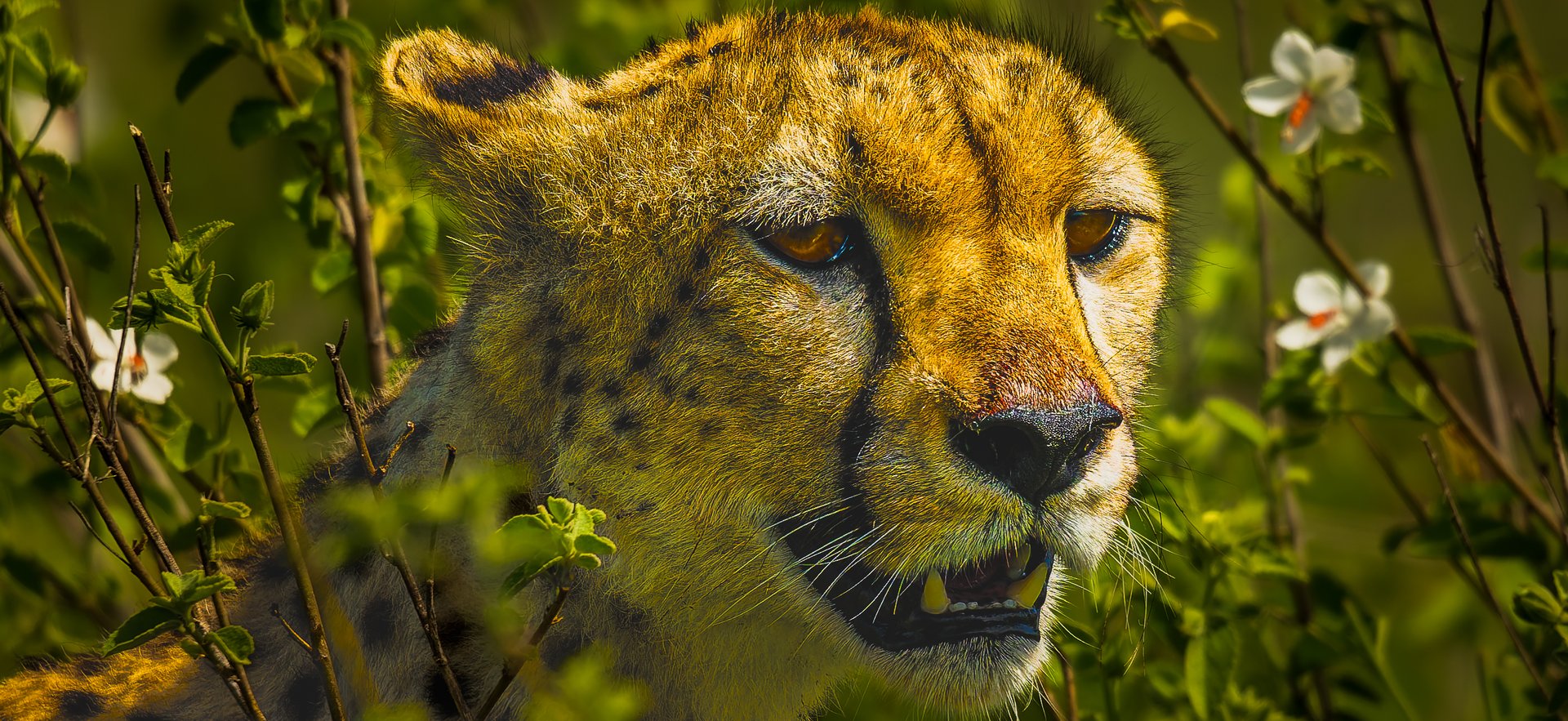
The Quiet After
LIFE
A cheetah rests among dense vegetation, its face emerging through leaves, branches and small white flowers. Warm light catches the gold of its coat and the intensity of its gaze. Only on looking more closely does another detail reveal itself: a trace of fresh blood across its nose.
That small mark changes the photograph.
What initially appears to be a quiet portrait becomes evidence of an unseen event—the pursuit, violence and necessity of a hunt that has just taken place. Yet there is no spectacle here. The chase is over. What remains is stillness.
I was drawn to that contradiction. The delicacy of the flowers, the richness of the surrounding green and the extraordinary beauty of the animal exist alongside the blood on its face. In the wild, these things are not opposites. Beauty and violence, vulnerability and survival occupy the same landscape.
The photograph captures the interval after action, when the drama has passed but its evidence remains. For a moment, the cheetah is neither an abstraction of speed nor simply a predator. It is an animal at rest, surrounded by the landscape that sustains it, carrying a small reminder of what survival requires.
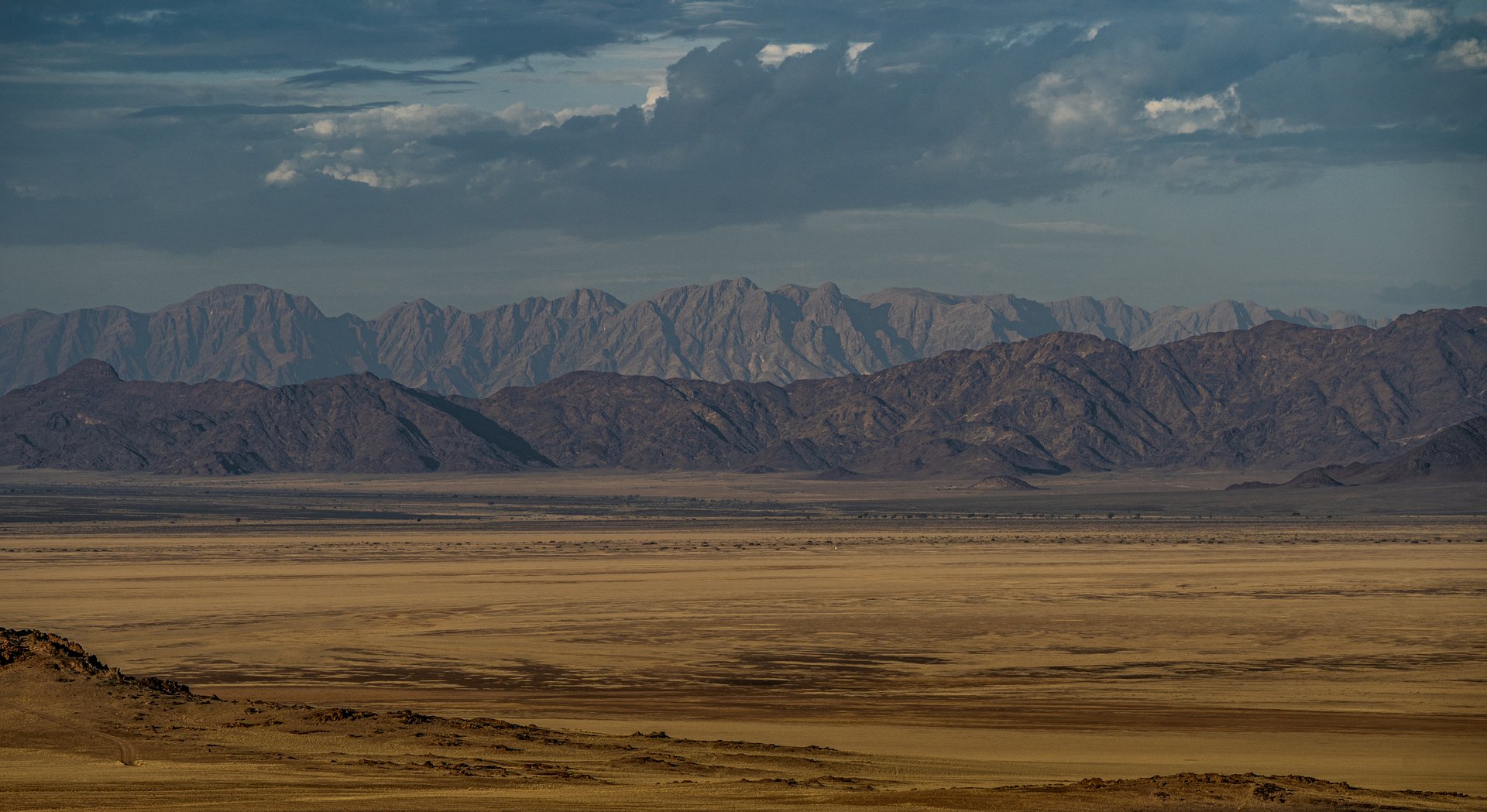
Older Than Memory
EARTH
The desert stretches toward a succession of mountains, each ridge fading into the next until distance becomes difficult to measure.
In the Sossusvlei region of Namibia, time seems less like something passing than something accumulated. Sand, stone, erosion, and light record change at a scale almost impossible to reconcile with a human lifetime.
There is little in the landscape to establish proportion. The immense plain reduces the mountains to layers; the mountains reduce everything else to insignificance. Above them, gathering clouds introduce another measure of time—temporary, shifting, gone almost as soon as they arrive.
Standing before a landscape like this alters the sense of one's own duration. What feels permanent to us becomes momentary here.
The desert does not seem empty. It seems occupied by time.
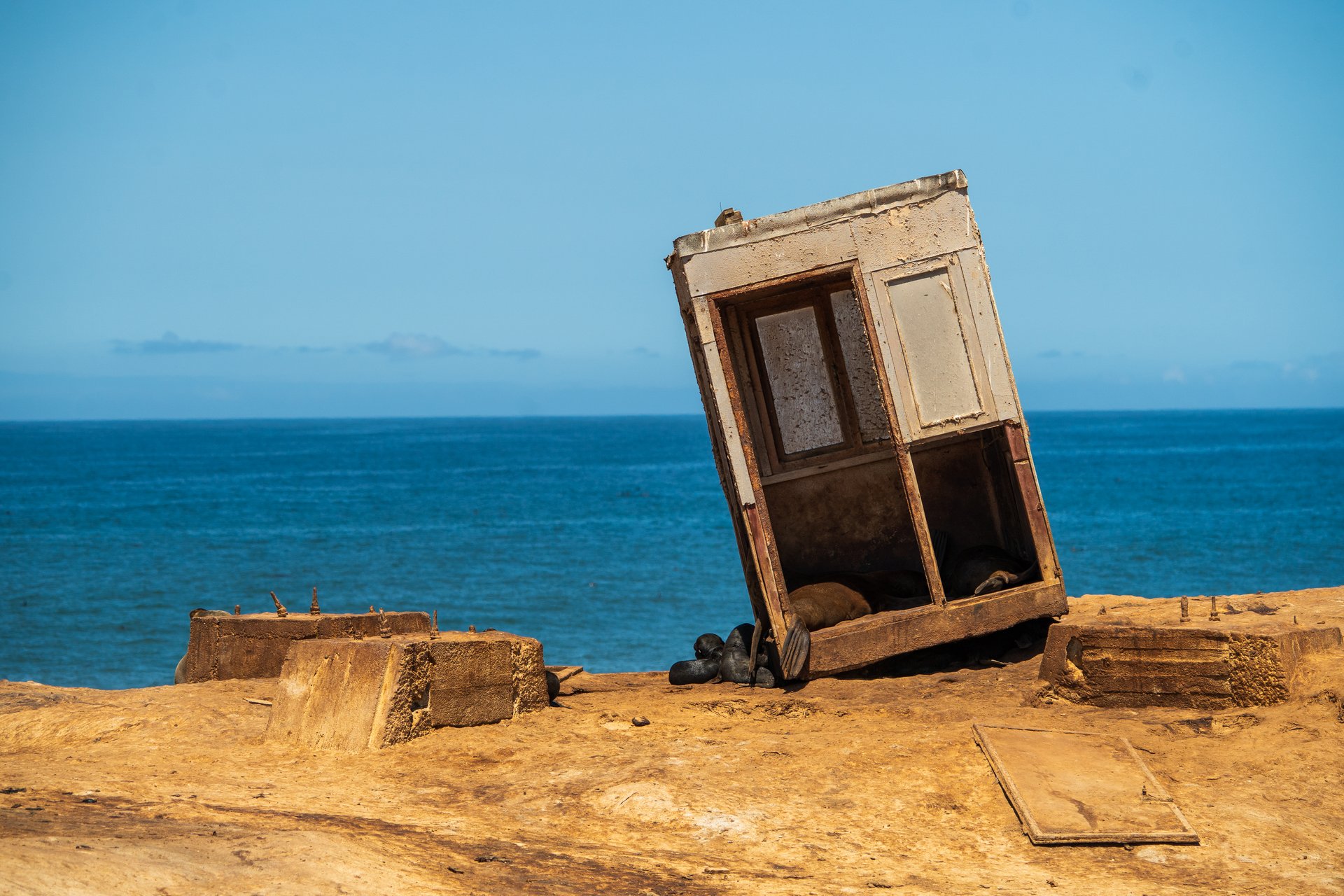
After we Leave
EARTH
Along Namibia's Skeleton Coast, the boundary between abandonment and survival is unusually thin.
A weathered structure, tilted by time and exposure, stands against the cold Atlantic. Whatever purpose it once served has largely disappeared. Cape fur seals now gather within its shadow, turning a human remnant into shelter from the exposed coast.
The transformation is quiet and unceremonious. What we regard as ruin, another species encounters simply as opportunity.
The Skeleton Coast is filled with evidence of things that did not endure—ships, settlements, machinery, structures slowly surrendered to salt, sand, wind, and sea. Against that history, the seals offer a different measure of permanence: not preservation, but adaptation.
We leave objects behind. Nature gives them new meaning.
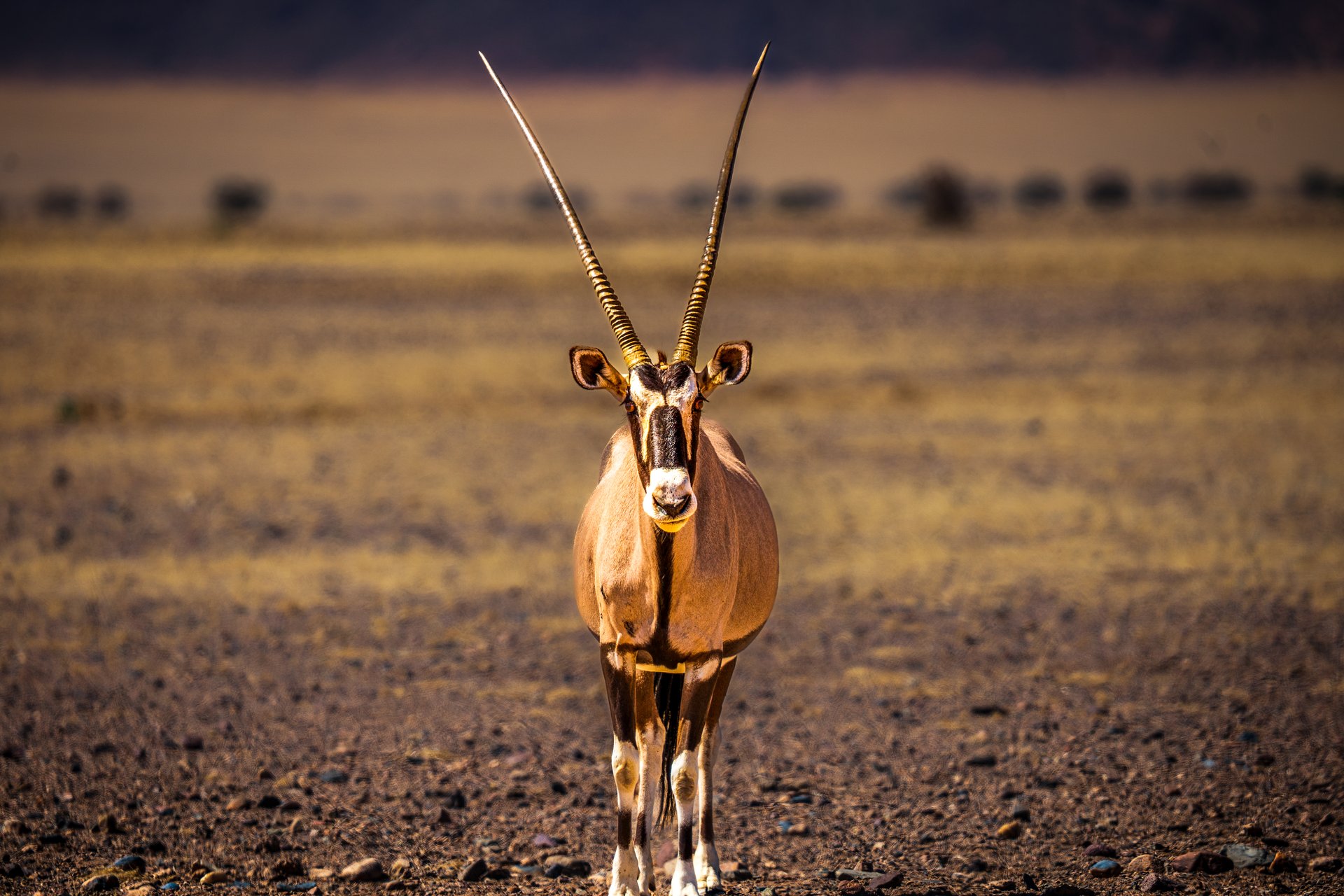
Stillness on the Plain
LIFE
Across the open plain, distance usually diminishes things. Animals dissolve into heat and horizon; detail gives way to shape, and shape eventually disappears.
Here, a solitary Beisa oryx (Oryx beisa) does the opposite.
It stands facing the camera with an almost improbable symmetry, its long horns extending upward through the frame while the landscape behind it recedes into bands of earth, grass, and shadow. Far in the distance, other animals have already become little more than silhouettes.
There is no movement to resolve the encounter. For a moment, animal and observer simply occupy opposite ends of a gaze.
The vastness remains, but distance has collapsed.
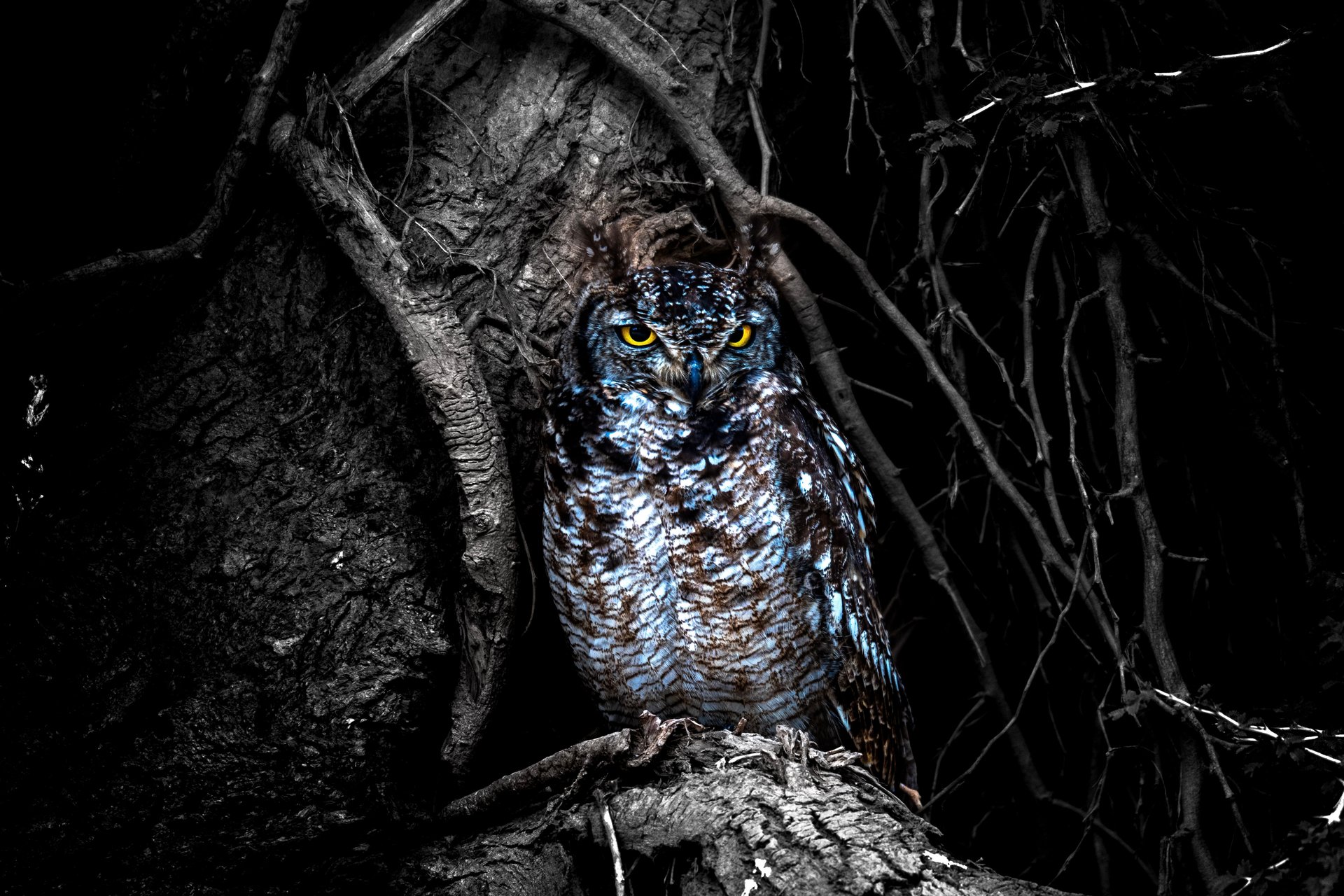
The Watcher
LIFE
Almost everything in the frame retreats into darkness. Trunk, branch, and tangled vine become fragments of texture, barely separating themselves from the night. At the center, a Great Horned Owl (Bubo virginianus) remains perfectly still.
Its camouflage should allow it to disappear into the forest. Instead, two yellow eyes break through the near-monochrome landscape with startling intensity. The photograph is less about encountering an owl than about the sensation of suddenly realizing that something has been watching all along. What first appears to be darkness slowly reveals structure, texture, and life. For a moment, the roles of observer and observed become uncertain.
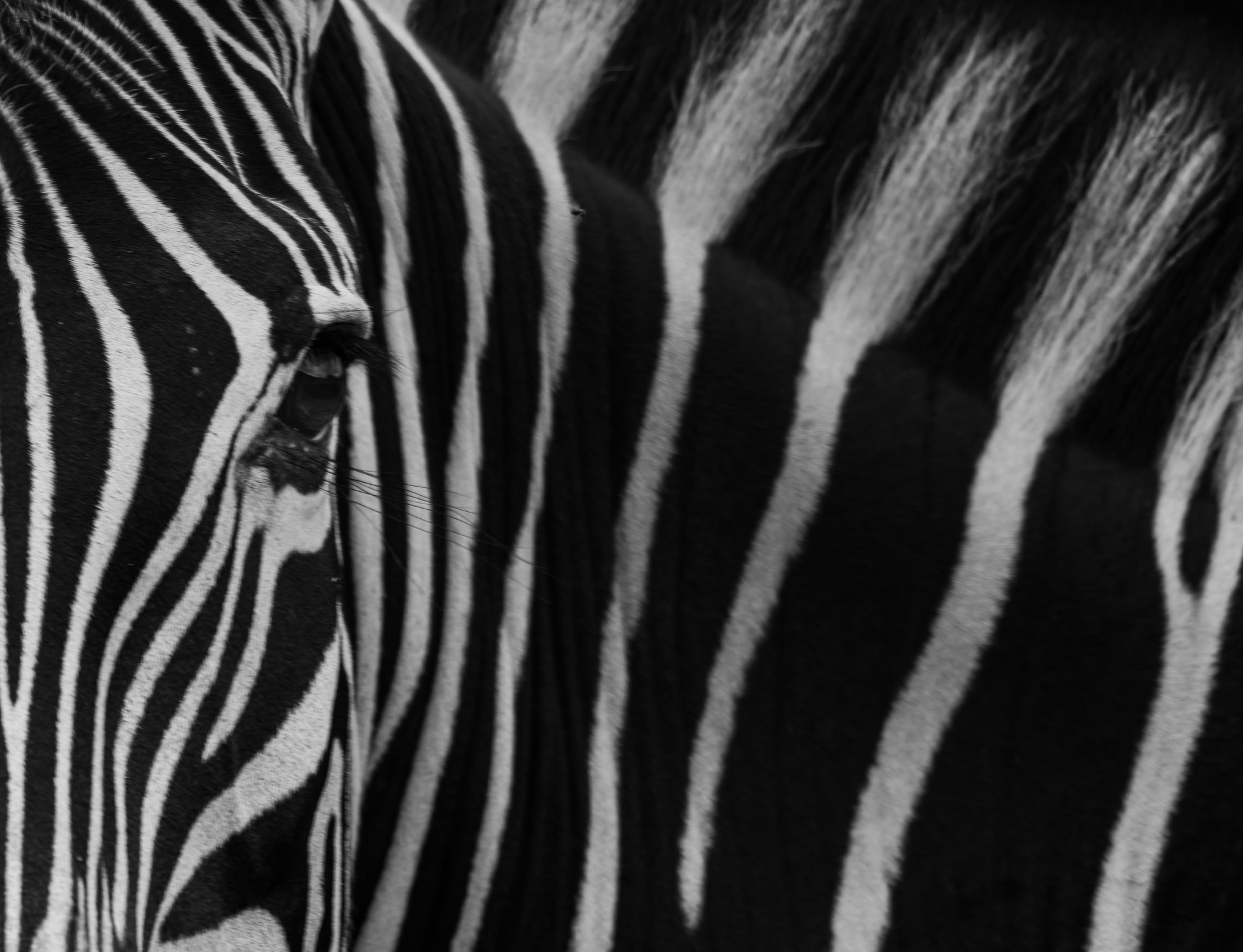
Stripe and Soul
LIFE
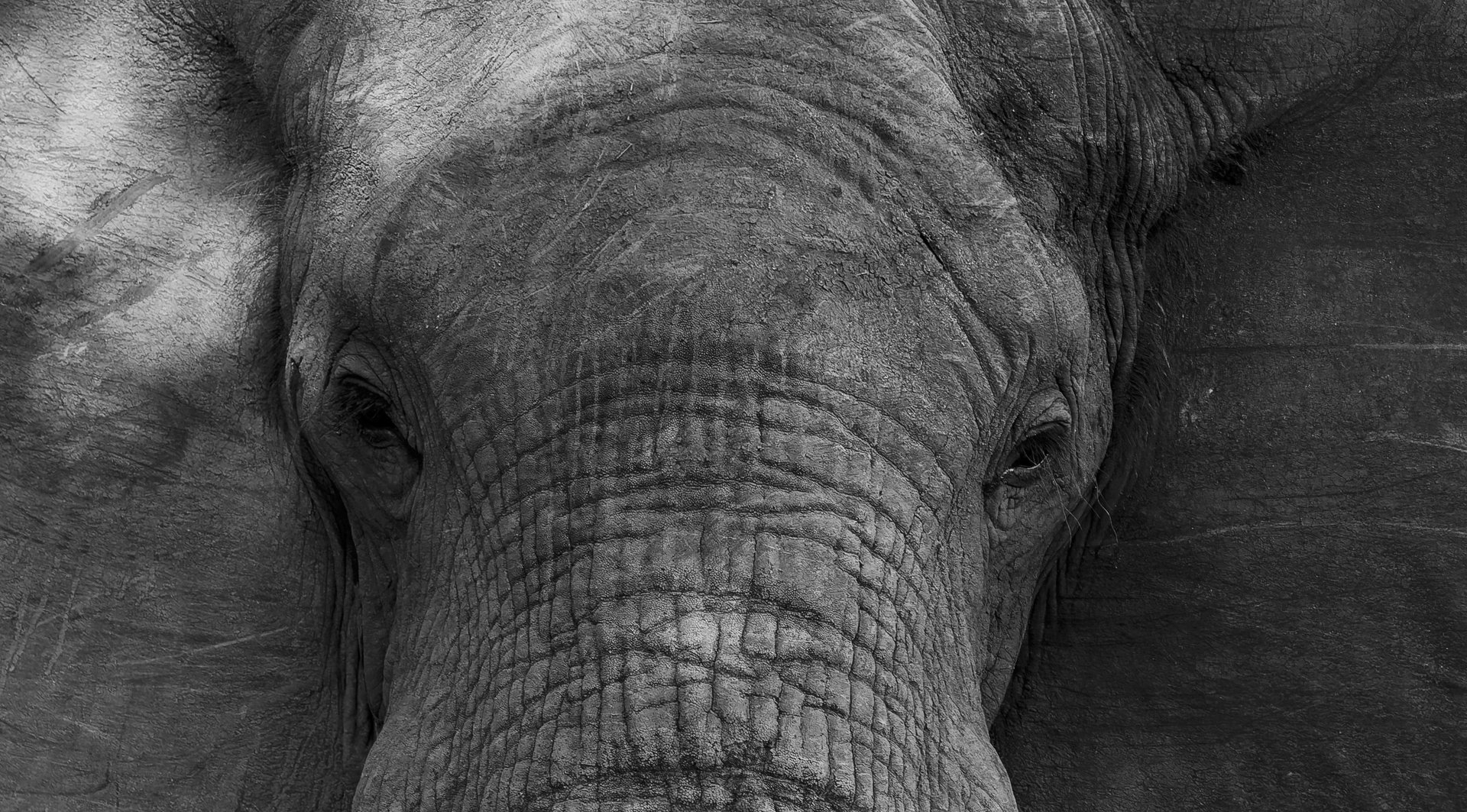
Elephant Close Encounter
LIFE
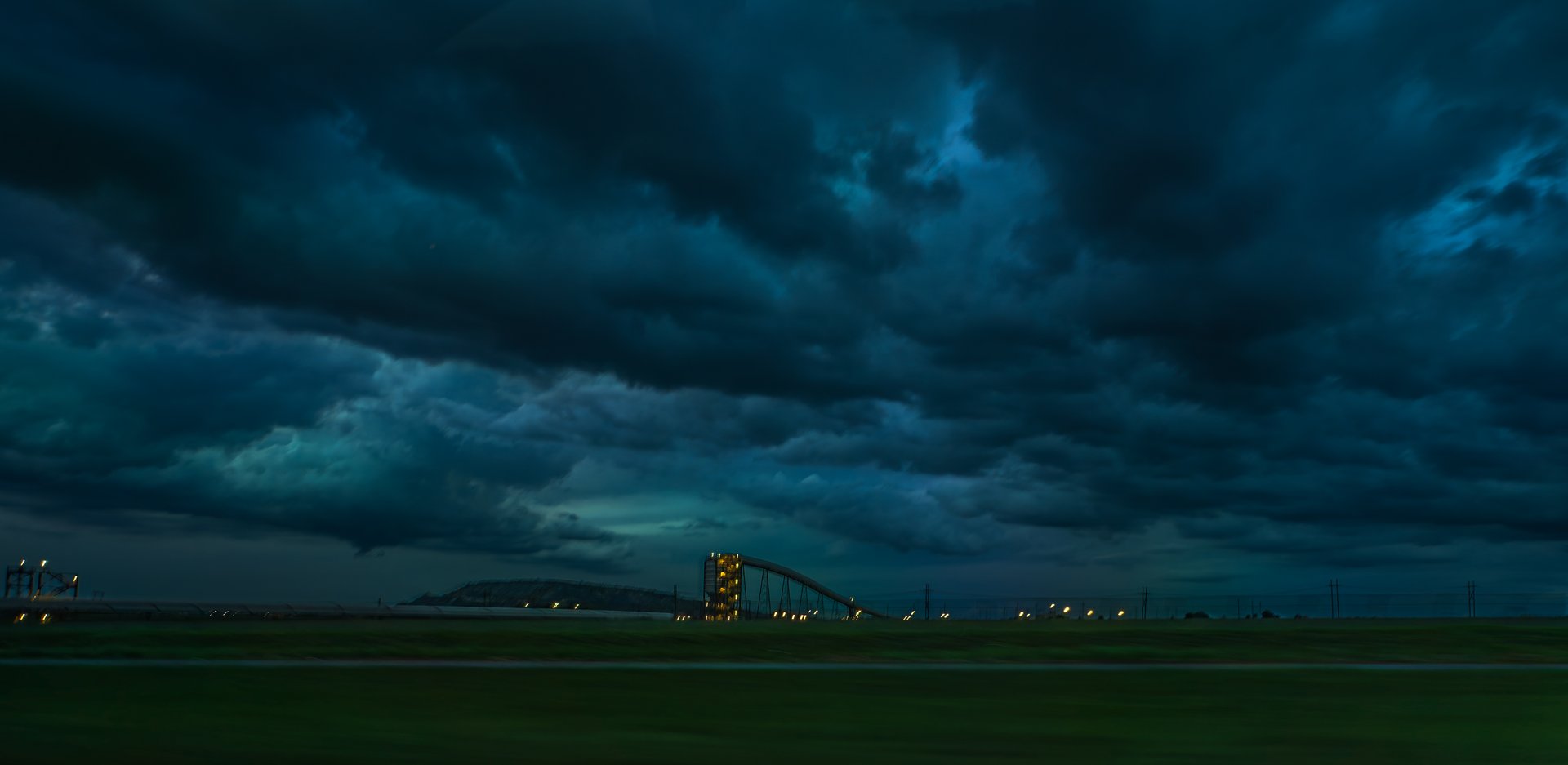
Highveld
EARTH
The scene captured on the road between Kruger and Johannesburg is an example of the Highveld industrial landscape in the Mpumalanga province of South Africa. This region, specifically the stretch between eMalahleni (Witbank) and Middelburg along the N4 or N12 highways, serves as the industrial and energy heartland of the country.
This area of Mpumalanga sits atop the Ecca Group of the Karoo Supergroup, which contains some of the world's most extensive coal seams.
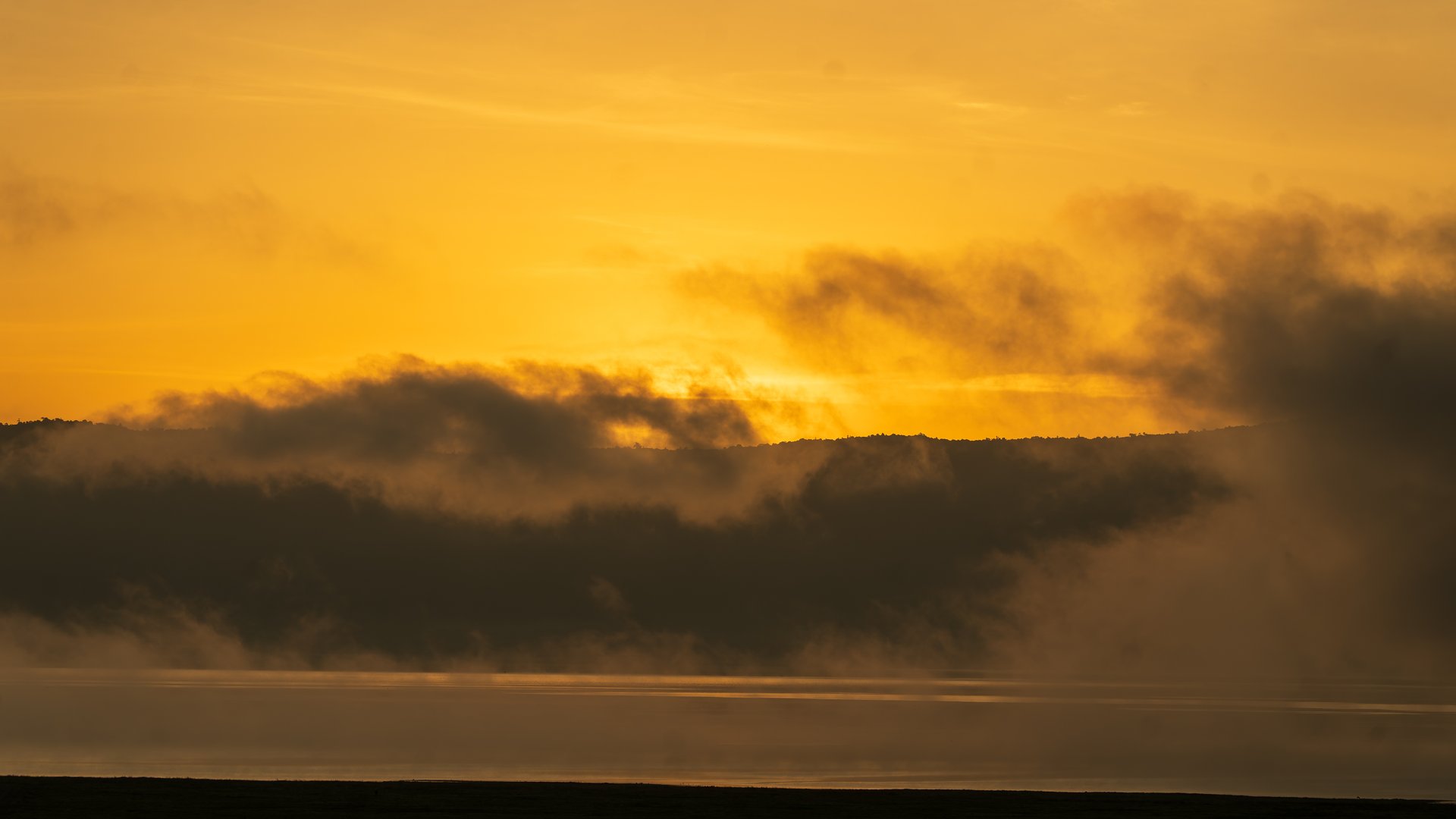
Ngorongoro Sunrise
EARTH
Lake Magadi, also known by its Maasai name, Lake Makat is a shallow, alkaline "soda" lake that serves as the centerpiece of the Ngorongoro Crater floor in Tanzania.
Lake Magadi was formed as a result of the same cataclysmic event that created the Ngorongoro Crater itself. Roughly two to three million years ago, a massive volcano—estimated to have been as tall as Mount Kilimanjaro—erupted and subsequently collapsed inward, creating the 610-meter-deep caldera.
The lake is not fed by a major river; instead, it is sustained by rainwater and several underground springs, most notably the Ngoitokitok Spring on the eastern wall. Because the lake has no outlet, evaporation leads to high concentrations of sodium carbonate, giving it its "soda lake" status. During the dry season, the water recedes, often leaving behind shimmering white salt pans.
The Maasai Heritage: The name "Makat" is the Maasai word for salt. For centuries, the Maasai have used the mineral-rich shores of the lake to provide essential salt licks for their cattle. While they no longer live on the crater floor, they still maintain the right to bring their livestock down to the water for grazing and salt.
The lake’s high alkalinity fosters the growth of blue-green algae (Spirulina), which is the primary food source for thousands of Lesser Flamingos. On many days, the shoreline appears as a solid band of vibrant pink.
The mineral salts also attract large herds of wildebeest, zebras, and elands, which use the lake as a natural salt lick. This high density of prey makes the lakeshore a frequent hunting ground for the crater’s famous population of golden-maned lions and spotted hyenas.
The lake is a vital part of the Ngorongoro Conservation Area, which was carved out of the Serengeti National Park in 1959 to allow for the co-existence of wildlife and the Maasai. It was designated a UNESCO World Heritage site in 1979.
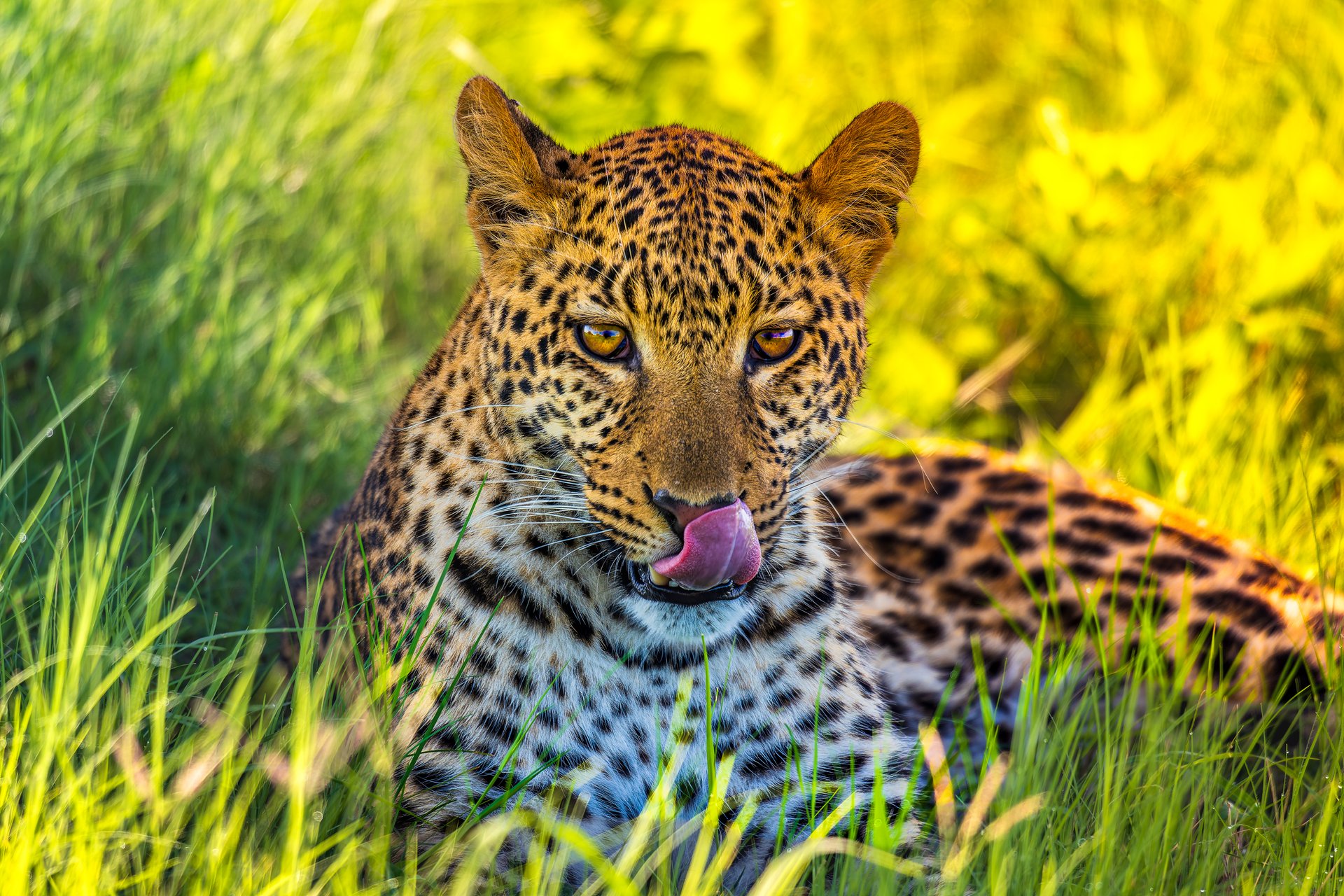
Leopard, Okavango Delta
LIFE
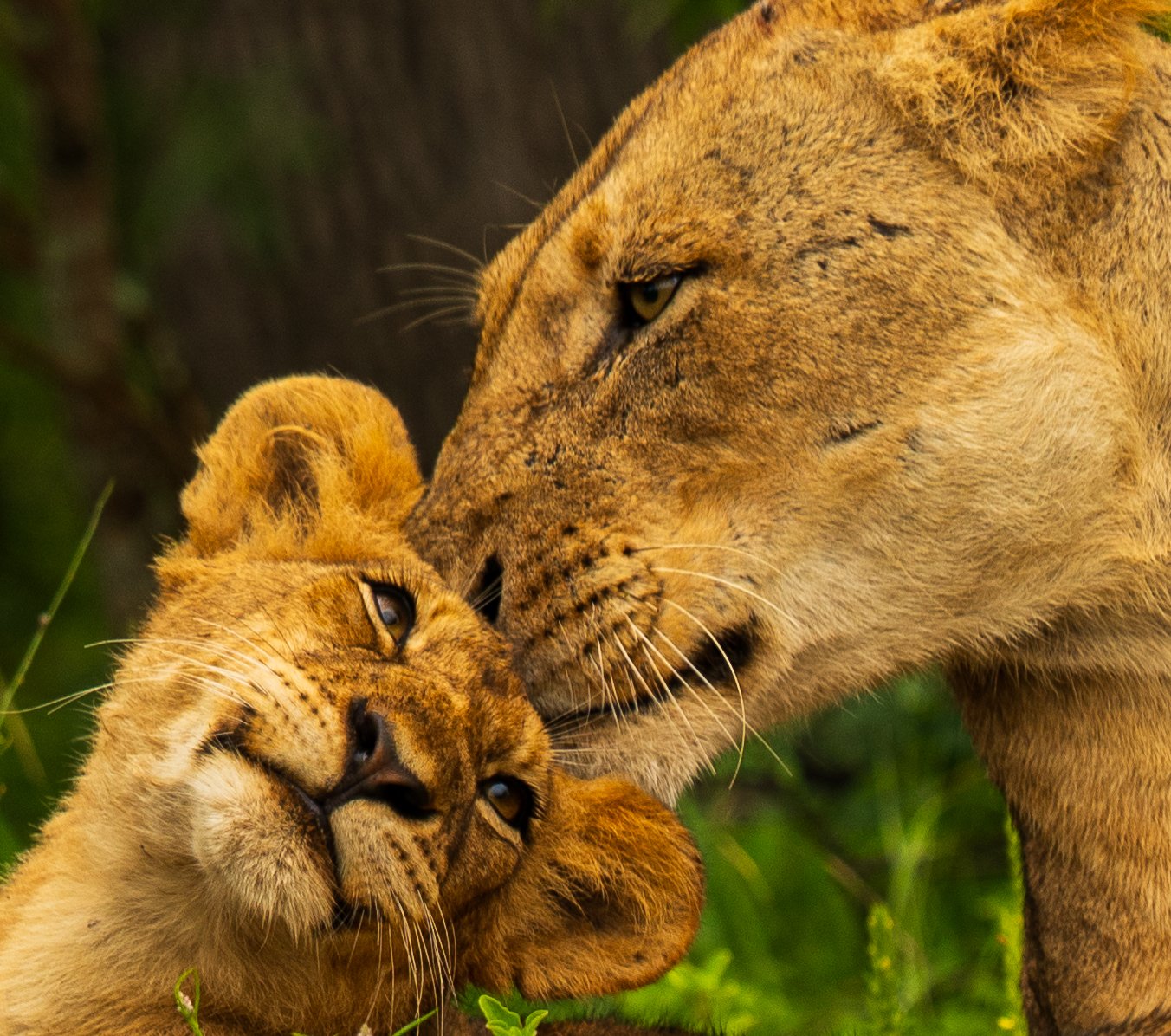
Moms Everywhere
LIFE
We came across a pride of lions with their cubs in South Africa just playing with each other; We probably could have sat there all day watching them.
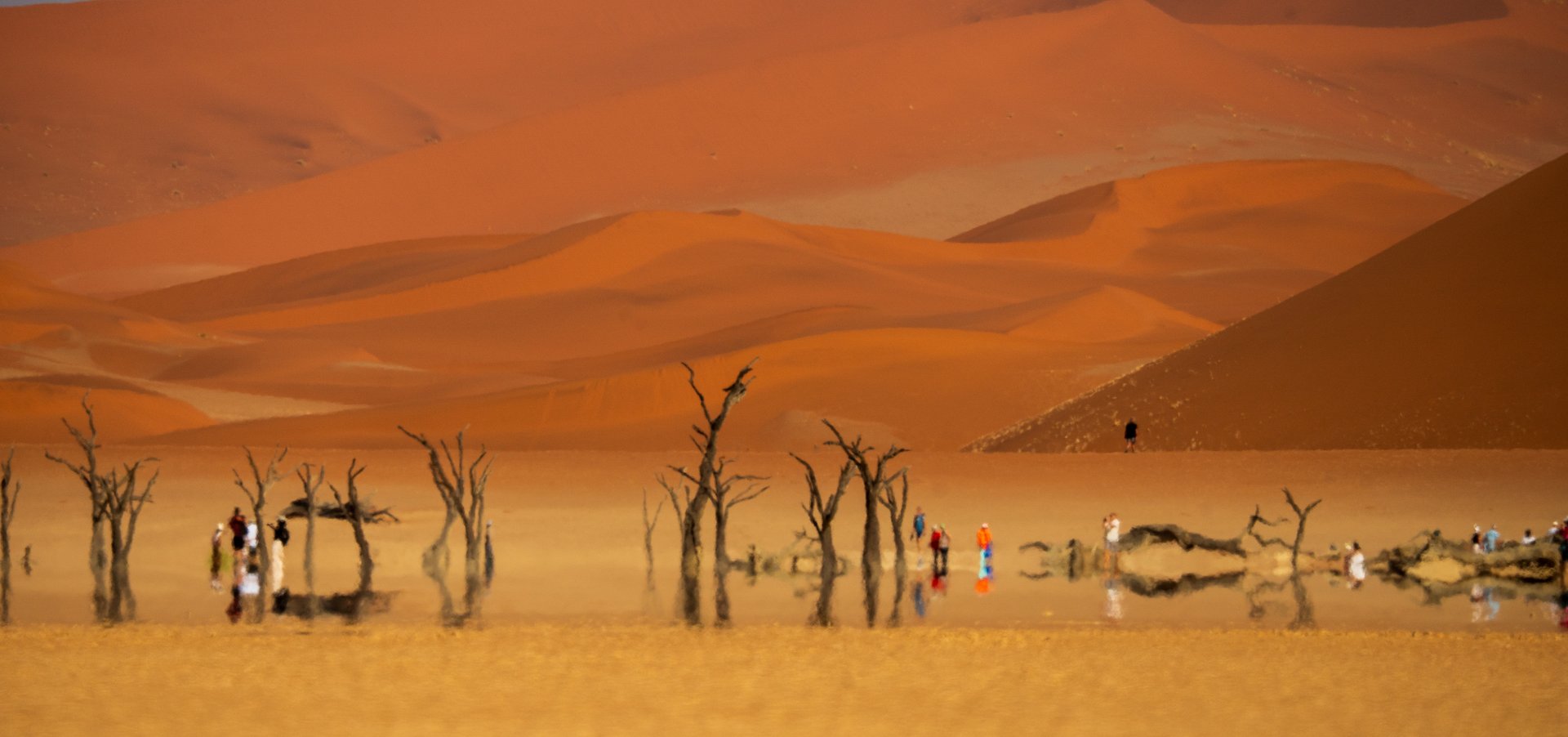
Sossusvlei
EARTH
Surreal landscape of red dunes, salt and clay pans and trees dead for hundreds of years but still standing;
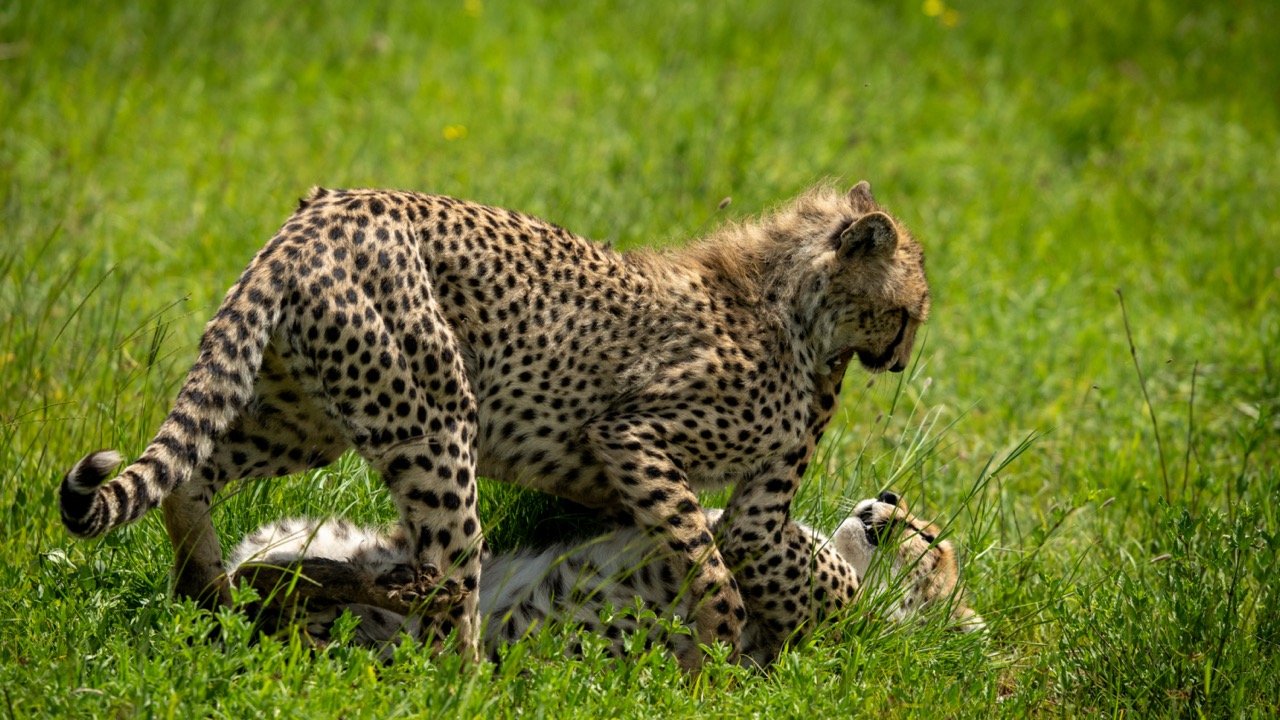
Cheetah Cubs in Play
LIFE
Mara Leopard
LIFE
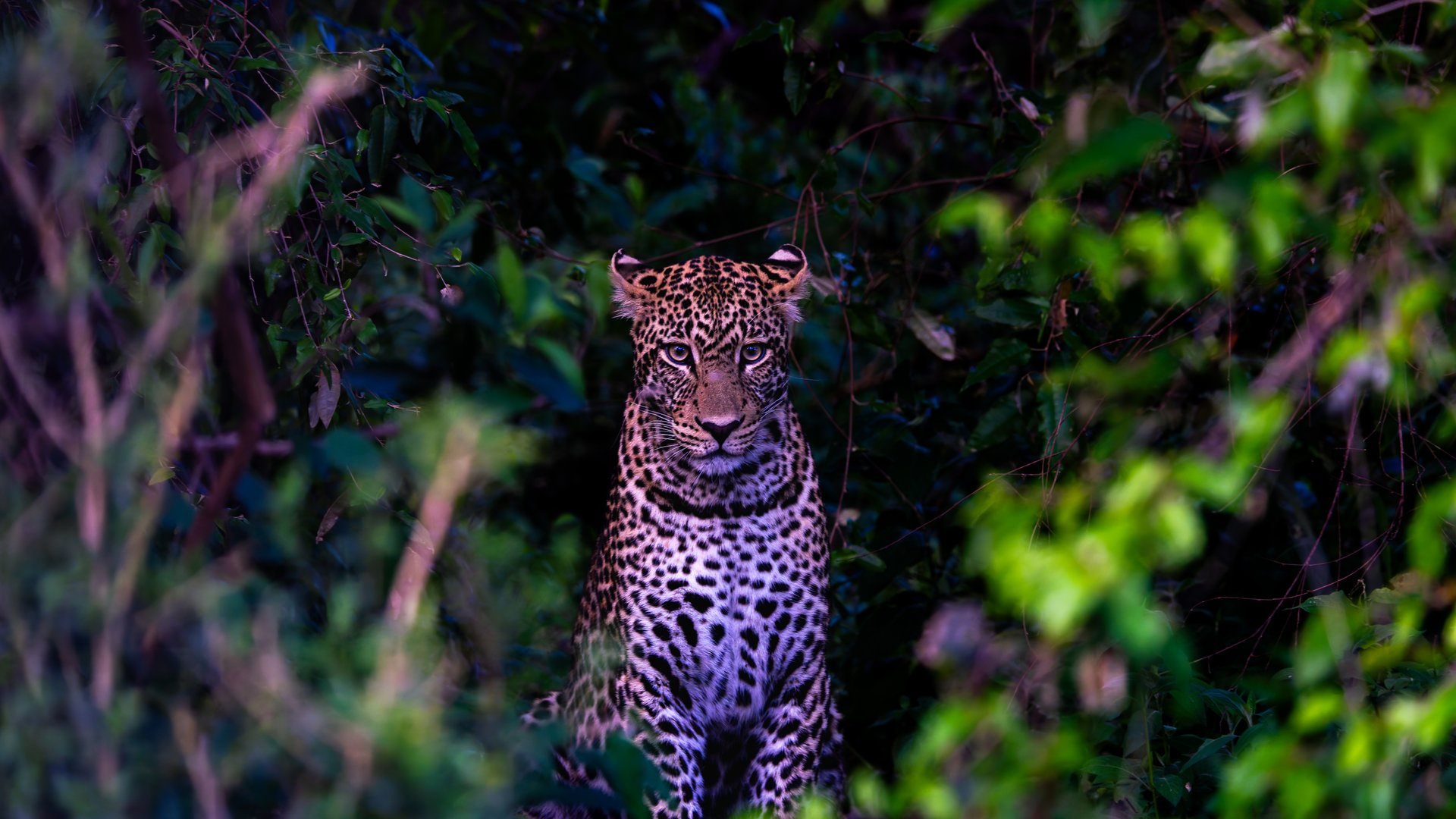
Leopards in the Masai Mara National Reserve are among the most elusive yet iconic predators of the African savannah. After searching for a Leopard for 3 days, we spotted this one on a fallen tree next to a small village at the outskirts of a private reserve close to Masai Mara. They make extensive use of trees, not only for resting during the day but also for hoisting kills out of reach of lions and hyenas.
Lilac-breasted Roller (Coracias caudatus)
LIFE
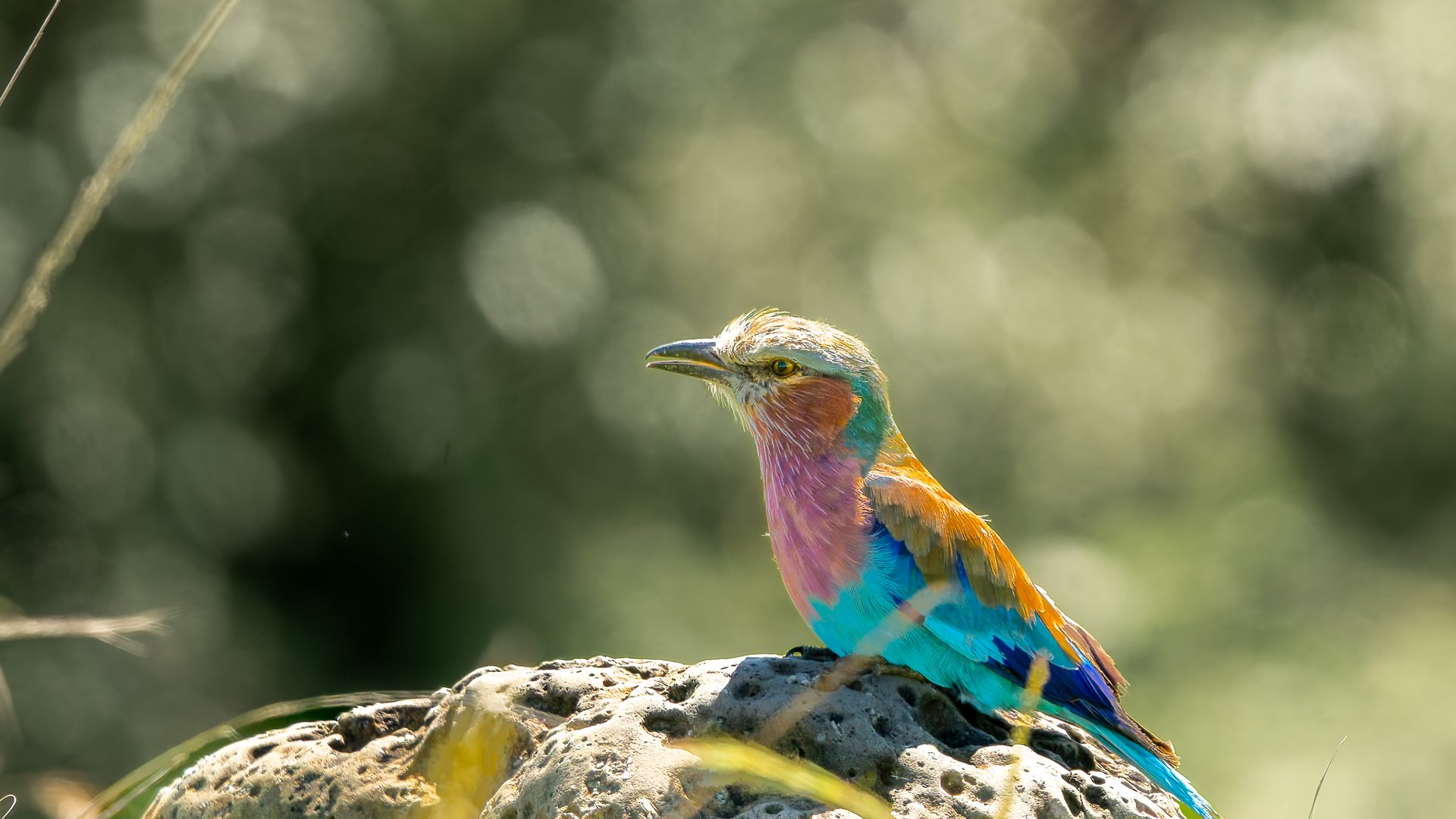
The Lilac-breasted Roller (Coracias caudatus) is one of the most beautiful birds in the world due to its spectacular palette of nearly eight different colors. The bird holds a special place in African culture. It is the unofficial national bird of Kenya and the official national bird of Botswana. In some local traditions, it is known as the "Bird of the Sun" or the "Peace Bird," and its feathers have historically been used in royal wedding ceremonies to symbolize a bond that cannot be broken.
The name "Roller" comes from their incredible courtship flight displays. To impress a mate, the male will fly to a great height and then plummet toward the ground, rolling and rocking from side to side while letting out a loud, raucous call.
Don't let the delicate colors fool you; this bird is a fierce hunter. Unlike the Bee-eaters in the gallery, which mostly catch flying insects, the Roller often swoops down from its perch to snatch prey from the ground. Their diet includes large insects, lizards, scorpions, snails, and even small birds or rodents. They are known to batter larger prey against a branch to break its bones before swallowing it whole.
Lilac-breasted Rollers are secondary cavity nesters. This means they do not dig their own holes or build nests out of sticks. Instead, they find abandoned holes made by woodpeckers or kingfishers in dead trees and claim them as their own. They are highly territorial and will aggressively defend these nesting sites against much larger birds.
Much like the Southern Carmine Bee-eater, Rollers are frequently seen at the edges of bushfires. They use the heat and smoke to their advantage, perched on a high branch and waiting for terrified insects and lizards to flee the flames, making for an easy, pre-cooked meal.
The King
LIFE
The Gaze
LIFE
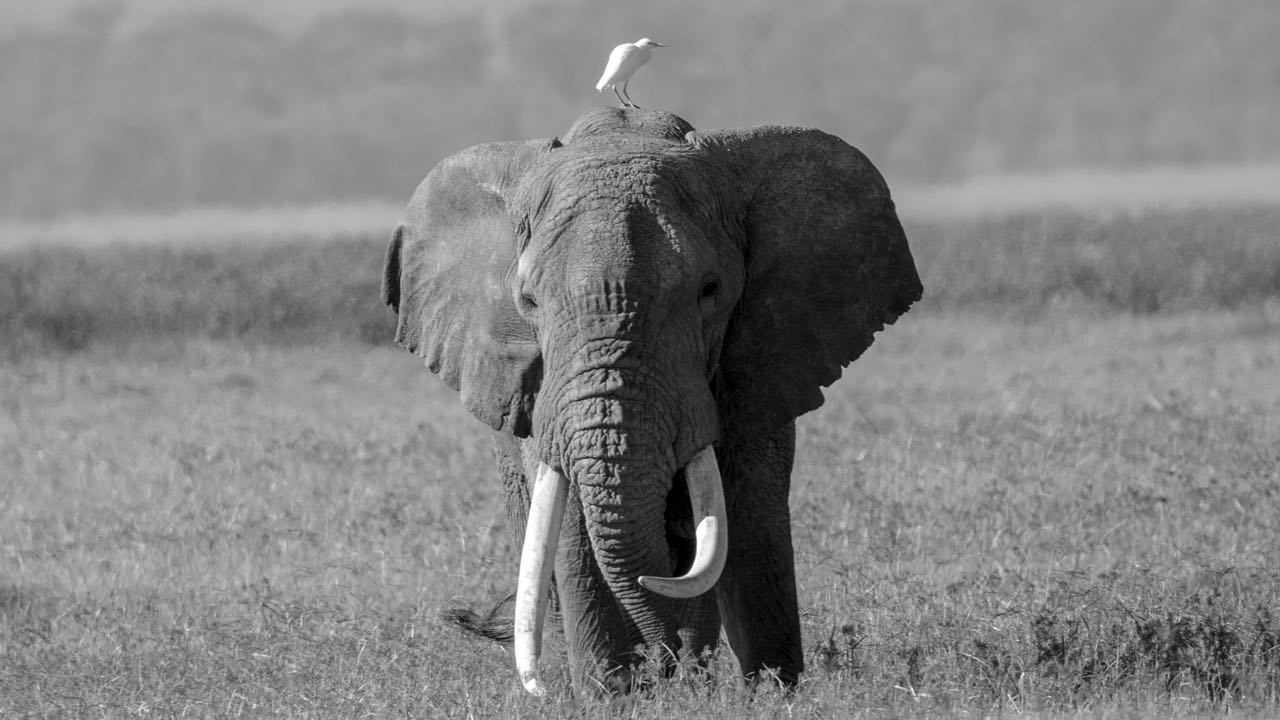
Elephant
LIFE
The white birds often seen with elephants in the Ngorongoro Crater are cattle egrets, which have a symbiotic relationship with the elephants. The birds benefit by eating insects and parasites off the elephant's skin, and the elephants benefit from getting cleaned and the birds' warnings about potential threats. The birds are also attracted to the insects that are stirred up from the ground by the elephants' movements.